Table Of Contents
Key Takeaways
- Comprehensive overview of bird wellness and nourishment essentials.
- Key elements of an appropriate avian diet and feeding habits.
- Significance of stimulation for both mind and body in birds.
- Designing a cozy habitat for your feathered companion.
- Insights into the behavioral requirements of pet birds.
- Necessity of consistent veterinary check-ups for health maintenance.
The Ultimate Guide To Caring For Your Pet Bird: Health, Diet, And Enrichment | Understanding Pet Bird Health
Understanding the health of your pet bird is essential to ensure its well-being and happiness. The Ultimate Guide to Caring for Your Pet Bird: Health, Diet, and Enrichment highlights vital information about common health issues that can affect various species, such as parrots and other pet birds. Recognizing signs of a healthy bird includes observing its behavior, appetite, and energy levels, which are crucial in assessing its overall condition. Proper feeding practices and balanced bird food contribute significantly to animal welfare, enabling pet owners to provide their beloved pets with a diet tailored to their specific needs. Keeping a close eye on your pet’s health not only enhances their quality of life but also strengthens the bond between you and your feathered companion.
- Regularly schedule veterinary check-ups to monitor your bird’s health.
- Provide a balanced diet that includes fruits, vegetables, seeds, and pellets.
- Ensure a clean and spacious habitat to promote safe exploration and exercise.
- Offer mental stimulation through toys, puzzles, and interaction to prevent boredom.
- Observe your bird for any changes in behavior, appetite, or droppings, which may indicate health issues.
- Ensure that your pet bird has access to fresh water at all times.
- Educate yourself about specific health concerns related to your bird’s species to provide tailored care.
The Ultimate Guide to Caring for Your Pet Bird: Health, Diet, and Enrichment | Common Health Issues in Pet Birds
Common health issues in pet birds can often stem from improper diet or living conditions. Birds that are primarily fed bird seed may suffer from nutritional deficiencies, leading to various health problems. Parrots and other social animals can also develop stress-related conditions if they do not receive adequate mental stimulation. Regular veterinary care is essential for identifying these issues early and ensuring a long, healthy life for your exotic pets.
Veterinary care plays a crucial role in maintaining bird health. Signs of illness can be subtle, making routine check-ups vital. Pet owners should familiarize themselves with common ailments such as feather plucking, respiratory infections, and obesity. A well-cared-for bird thrives in a suitable bird cage equipped with enriching accessories. Understanding these common health issues can guide bird owners in providing the best care possible.
Signs of a Healthy Pet Bird
A vibrant plumage, clear eyes, and an active demeanor are all indicators of a healthy pet bird. In The Ultimate Guide to Caring for Your Pet Bird: Health, Diet, and Enrichment, understanding these signs is crucial for owners. Parakeets and parrotlets, for instance, should exhibit lively foraging behavior and respond to bird calls. Any changes in their appearance or behavior may signal potential health issues, such as parrot fever, which can require immediate attention.
A healthy companion animal will also have a balanced diet that includes quality birdseed and fresh fruits or vegetables. Regular visits to pet stores can help owners find nutritious options and toys to keep their birds engaged. Maintaining pet insurance can alleviate some stress in case of health emergencies, ensuring their wellbeing and happiness as they thrive in a safe, nurturing environment.
Essential Components of a Pet Bird Diet
A healthy diet is crucial for the wellness of your pet birds, including lovebirds, as it directly impacts their overall health and longevity. Following dietary recommendations from avian veterinarians can help pet owners create a well-balanced diet tailored to the specific needs of different species. The Ultimate Guide to Caring for Your Pet Bird: Health, Diet, and Enrichment emphasizes the importance of incorporating a variety of foods, such as fresh fruits, vegetables, and high-quality pellets, to ensure pets receive all essential nutrients. Regular consultations with a vet can help monitor dietary habits and make adjustments as needed, ultimately fostering a thriving environment for your feathered companions.
Nutritional Requirements for Different Species
Understanding the specific dietary needs of various species is essential for promoting optimal health. For instance, pigeons require a balanced diet that typically includes seeds, grains, and fresh vegetables. Vets recommend maintaining a consistent food intake to prevent picky eating habits, which can lead to nutritional deficiencies. For finches, a diet rich in seeds complemented by fruits and greens is vital for their wellbeing. The Ultimate Guide to Caring for Your Pet Bird: Health, Diet, and Enrichment emphasizes the importance of tailoring diets based on species to ensure that all nutritional requirements are met.
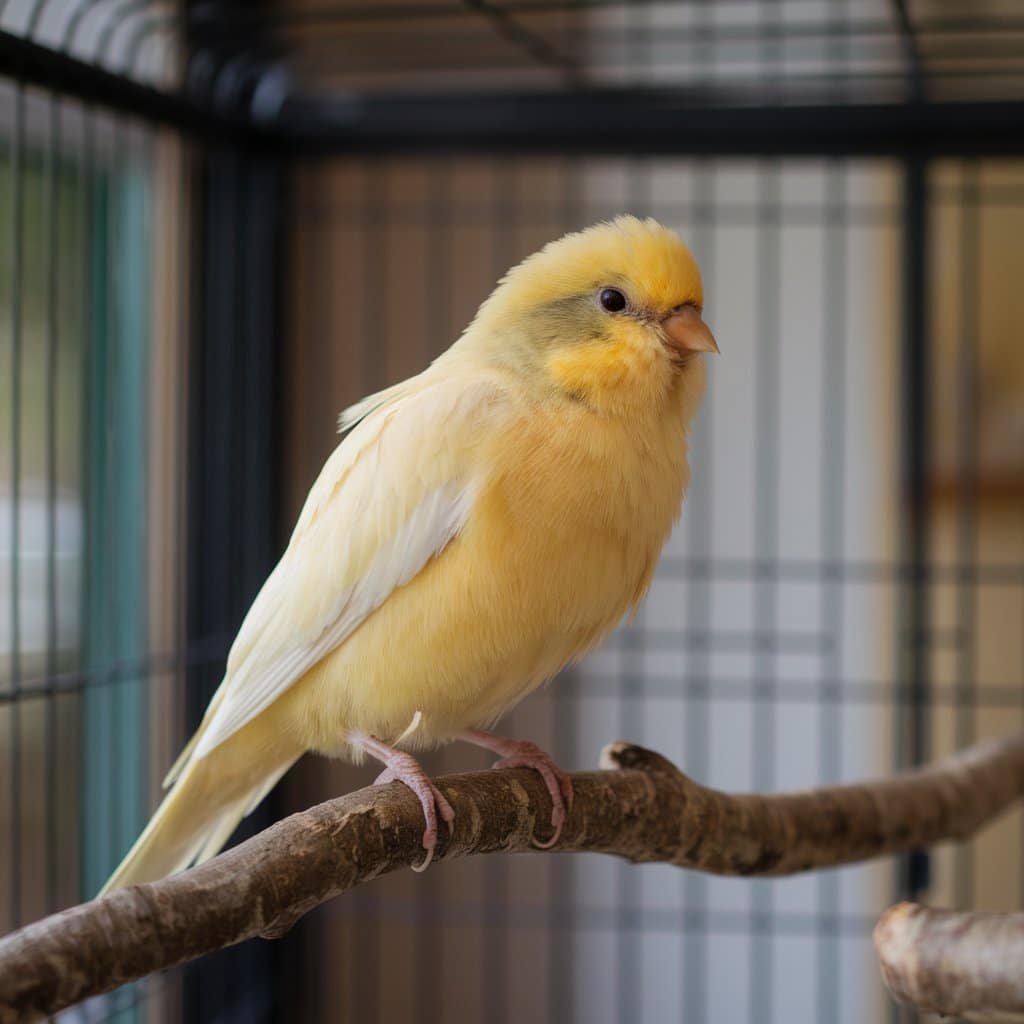
Different species of pet birds have unique dietary preferences and needs, making it crucial to understand their specific requirements. Dogs may consume a variety of foods without concern, but birds have more delicate metabolisms that dictate their food choices. Consultations with an animal hospital can help identify the healthiest foods for your pet bird while avoiding harmful items. Each species will thrive when provided with a proper diet, and utilizing resources like The Ultimate Guide to Caring for Your Pet Bird: Health, Diet, and Enrichment can assist bird owners in making informed choices about their pets’ nutrition.
Safe and Toxic Foods for Pet Birds
Understanding safe and toxic foods is a crucial part of the ultimate guide to caring for your pet bird: health, diet, and enrichment. A balanced pet bird diet includes a variety of seeds, fruits, vegetables, and pellets specially formulated for your bird’s species. Always prioritize your bird’s health by introducing pet bird supplements that enhance their nutritional intake. Avoid foods such as avocado, chocolate, and caffeine, as these can be harmful or even fatal. Taking the time to research safe options will ensure your bird thrives and enjoys a longer, healthier life.
Many pet bird care enthusiasts often overlook the significant impact of diet on their bird’s overall wellness. Ensuring that your bird receives a combination of nutrient-dense pet bird food is vital for their physical and mental well-being. A healthy bird will exhibit vibrant plumage, high energy levels, and normal behavior patterns. Regularly consult resources like The Ultimate Guide to Caring for Your Pet Bird: Health, Diet, and Enrichment to stay informed about safe dietary choices and keep your pet happy and healthy.
| Food Type | Safe for Birds? | Notes |
|---|---|---|
| Sunflower Seeds | Yes | High in fat; should be given in moderation. |
| Apple | Yes | Remove seeds, as they can be toxic. |
| Chocolate | No | Highly toxic; can cause serious health issues. |
| Coffee | No | Contains caffeine; harmful to birds. |
| Carrots | Yes | Great source of vitamins; can be offered raw or cooked. |
Feeding Practices for Pet Birds
A proper feeding routine is crucial for maintaining the health and well-being of your pet bird. The Ultimate Guide to Caring for Your Pet Bird: Health, Diet, and Enrichment emphasizes the importance of understanding the specific dietary needs of different species. A quality pet bird diet includes a mix of seeds, pellets, and fresh fruits and vegetables, alongside bird-safe treats as occasional rewards. Establishing an ideal feeding schedule helps create a structured pet birds life, promoting better digestion and reducing stress. Owners should always ensure their pet bird has access to fresh water and is offered a variety of foods to prevent boredom. Knowing the right pet bird nutrition contributes significantly to keeping your pet bird indoors happy and healthy, enhancing their interaction and playfulness throughout their lives.
How to Transition Your Bird to a New Diet
Transitioning your bird to a new diet should be done gradually to avoid digestive issues. Start by mixing the bird-specific food with your bird’s current diet. Gradually increase the proportion of the new food over a period of 7 to 10 days. This method allows your bird to adapt while ensuring it meets its essential bird care requirements. Observing your bird’s eating habits during this transition is important; ensuring that your bird eats well and remains healthy is a priority.
Understanding the dietary needs of your new bird pet is key to successful bird care. Each species has unique bird needs, so consulting The Ultimate Guide to Caring for Your Pet Bird: Health, Diet, and Enrichment can provide significant insights. Allow your bird to explore the new food and introduce safe bird toys to keep it engaged. Creating a positive experience with its diet promotes a healthy transition and satisfies your pet’s needs, ensuring it thrives in its environment.
Ideal Feeding Schedule for Optimal Health
Establishing an ideal feeding schedule is essential for the health and happiness of your pet bird. The Ultimate Guide to Caring for Your Pet Bird: Health, Diet, and Enrichment thoroughly discusses the importance of providing a balanced diet that includes fresh bird food alongside appropriate portions of seed mixes. Relying solely on a birdseed-only diet may lead to nutritional deficiencies. Popular pet birds require a variety of foods to obtain essential nutrients, which support vibrant bird plumage treatments and overall well-being. Regular feeding times help in observing common bird behaviors and ensure that your feathered friend thrives as a wonderful pet.
Consistency in feeding times fosters a sense of security and routine for pet birds. A well-structured feeding schedule allows owners to monitor their birds’ eating habits closely and make adjustments as needed. Providing fresh bird food at designated times can enhance their excitement around meal times and discourage picky eating. Incorporating 5-star pet care principles into your bird’s feeding routine not only promotes optimal health but also deepens the bond between you and your pet. By following The Ultimate Guide to Caring for Your Pet Bird: Health, Diet, and Enrichment, you will guarantee a fulfilling and enjoyable feeding experience that supports your bird’s long-term health.
| Feeding Time | Food Type | Portion Size |
|---|---|---|
| 8:00 AM | Fresh Fruits and Vegetables | 2-3 tablespoons |
| 12:00 PM | Seed Mix | 2 tablespoons |
| 5:00 PM | Pellets | 1-2 tablespoons |
| 8:00 PM | Grains/Legumes | 1-2 tablespoons |
Importance of Mental and Physical Enrichment
Creating a stimulating environment for your pet bird is essential for its overall well-being. The Ultimate Guide to Caring for Your Pet Bird: Health, Diet, and Enrichment emphasizes the importance of providing various bird opportunities to mimic natural bird behaviors. A bird-friendly environment that encourages exploration and interaction allows the companion bird to engage in common bird behavior, which is crucial for mental stimulation. Understanding bird behavior helps ensure that the right pet is chosen and cared for properly. By offering plenty of toys and activities that promote physical and mental enrichment, you can foster a happier and healthier life for captive birds. This not only benefits their health but also enhances the bond between you and your feathered friend.
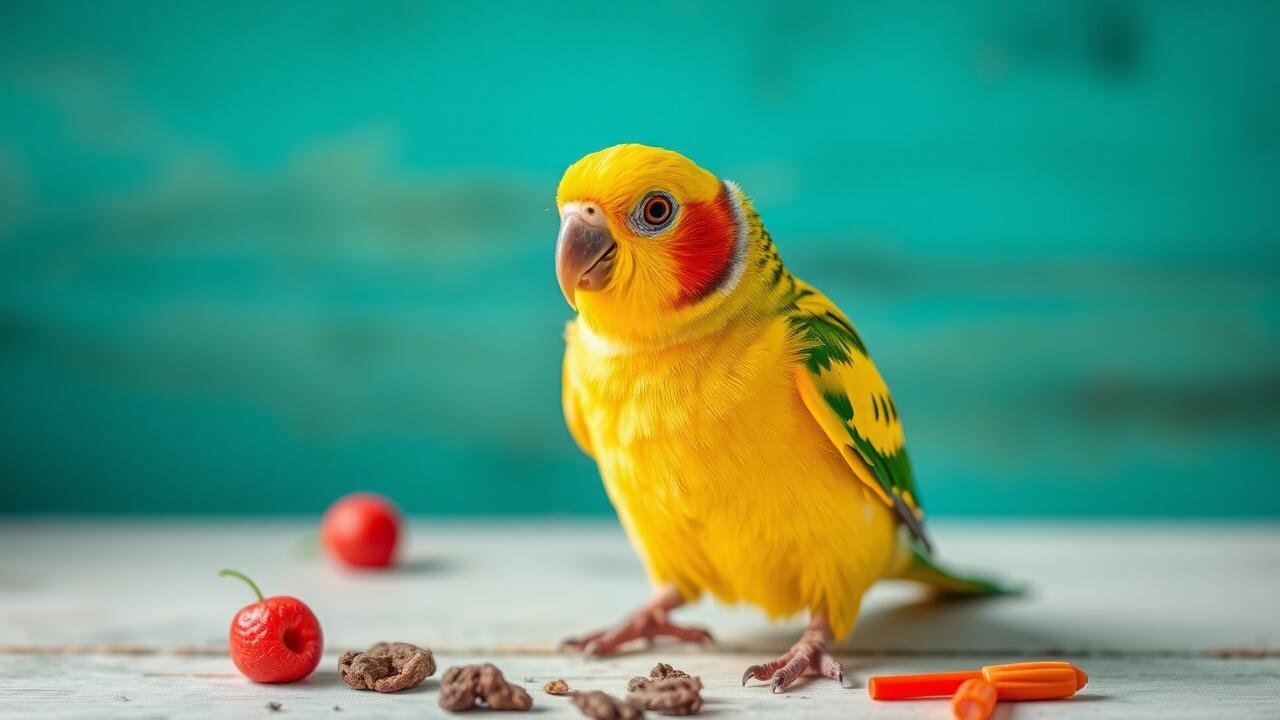
Types of Enrichment Activities for Pet Birds
Engaging your pet bird with various enrichment activities is essential for their well-being. The Ultimate Guide to Caring for Your Pet Bird: Health, Diet, and Enrichment emphasizes the importance of providing mental stimulation through interactive toys, foraging opportunities, and bird-safe grains. These activities not only help keep your feathered friend entertained but also reduce the chances of bad bird behavior stemming from boredom. Pet parents can create an enriching environment where their bird can explore and play, ensuring a happy and healthy life.
Bird training tips are another excellent way to incorporate enrichment into your pet’s routine. Teaching your bird simple tricks or commands can strengthen the bond between pet owners and their birds. High-quality bird nuts and specialized toys can be used as rewards during training sessions. This process can help your bird adjust to different situations and surroundings, making them feel more secure. Remember, enrichment is vital regardless of whether your pet is the only bird in the household or part of a larger flock, as it contributes significantly to their overall happiness.
Benefits of Social Interaction for Your Bird
Social interaction plays a crucial role in the overall well-being of your bird, which is emphasized in The Ultimate Guide to Caring for Your Pet Bird: Health, Diet, and Enrichment. Many bird owners find that engaging with their pets not only strengthens the bond but also stimulates their birds mentally and physically. A bird-friendly environment entails providing ample opportunities for socialization, whether through interactive playtime or simply chatting with your feathered friend. Incorporating bird toys and activities encourages natural feeding behaviors and keeps your amazing pets active and entertained while indoors.
Establishing a routine that includes regular interaction can significantly benefit your pet’s mental health. Such engagement helps alleviate boredom and stress, which can lead to behavioral issues. Routine socialization allows your bird to thrive within its environment, whether it’s through direct contact with their owner or other birds. It’s essential for bird owners to use bird-safe cleaning products and ensure all interactions are safe and enriching. The Ultimate Guide to Caring for Your Pet Bird: Health, Diet, and Enrichment highlights that a well-socialized pet bird is not only happier but can also exhibit improved health and vitality.
Creating a Comfortable Living Environment
A comfortable living environment is crucial for your pet bird’s overall well-being. The Ultimate Guide to Caring for Your Pet Bird: Health, Diet, and Enrichment emphasizes the importance of selecting the right cage that aligns with the specific needs of different bird species. This choice can greatly affect how an individual bird feels in its habitat and can help prevent behavioral issues, including bird bites. It’s essential for every bird owner to ensure their pet has space to move freely while also avoiding elements that could harm them, such as unsafe toys or the temptation to avoid feeding certain foods that are harmful. Creating an ideal environment nurtures a happy bird, making it vital for any responsible bird owner to regularly assess their setup for the average bird’s comfort.
Choosing the Right Cage for Your Pet Bird
Selecting the ideal cage is fundamental for any bird lover aiming to provide a comfortable home for their feathered friend. The Ultimate Guide to Caring for Your Pet Bird: Health, Diet, and Enrichment emphasizes that a cage must not only accommodate the size of the bird but also provide adequate space for movement and play. For example, parrot perches should be positioned at various levels allowing birds to exercise their wings as they explore. This is especially important for small birds that need time outside their cages to flourish, while larger parrots benefit from ample horizontal space where they can spread their wings.
Cages also play a crucial role in maintaining a conducive environment for your pet. Proper insulation helps ensure that birds stay warm during colder months, creating a safe and cozy habitat. A well-designed cage reflects the natural bird world, allowing your parrot to engage in activities that mimic its instincts, such as nesting and exploring. As parrots mate and bond, their cage should facilitate this behavior while accommodating their laid-back nature. Ensuring an inviting space where your bird feels secure will significantly contribute to its overall well-being and happiness.
Essential Accessories for Enrichment and Play
Choosing the right accessories is crucial for the overall well-being of your pet bird. The Ultimate Guide to Caring for Your Pet Bird: Health, Diet, and Enrichment emphasizes the importance of engaging toys and perches that cater to the specific needs of different parrot species. Large parrots, for instance, require sturdy and durable materials to withstand their beaks and playful nature. Ensuring that your caged pet has a variety of items to play with not only enriches their environment but also helps prevent common parrot behavior issues stemming from boredom.
A seasoned bird owner recognizes that these accessories should promote both mental and physical exercise. Appropriate toys should encourage exploration and challenge your bird’s problem-solving skills. This approach aligns with a well-planned feeding routine, which allows you to monitor how your bird interacts with their toys during playtime. By selecting the right bird species-specific toys and accessories, you enhance the quality of life for your cute pet, making playtime a fun and stimulating experience.
Understanding Behavioral Needs
Behavioral needs are a crucial part of a pet bird’s overall well-being, as outlined in The Ultimate Guide to Caring for Your Pet Bird: Health, Diet, and Enrichment. Responsible parrot owners must recognize signs of stress and anxiety, which can arise in stubborn birds like quaker parrots if their needs are not met. Regular interactions and a stimulating environment are essential to prevent avian health issues. An avian vet can provide insights into the specific requirements for many parrot species, helping owners to identify behaviors that indicate sick birds or discomfort. Bird ownership involves understanding how social dynamics and routines play into the happiness of these creatures, ensuring they thrive both physically and mentally. The Ultimate Guide to Caring for Your Pet Bird: Health, Diet, and Enrichment emphasizes the importance of developing a good routine that caters to these behavioral needs, enhancing the bond between bird and owner.
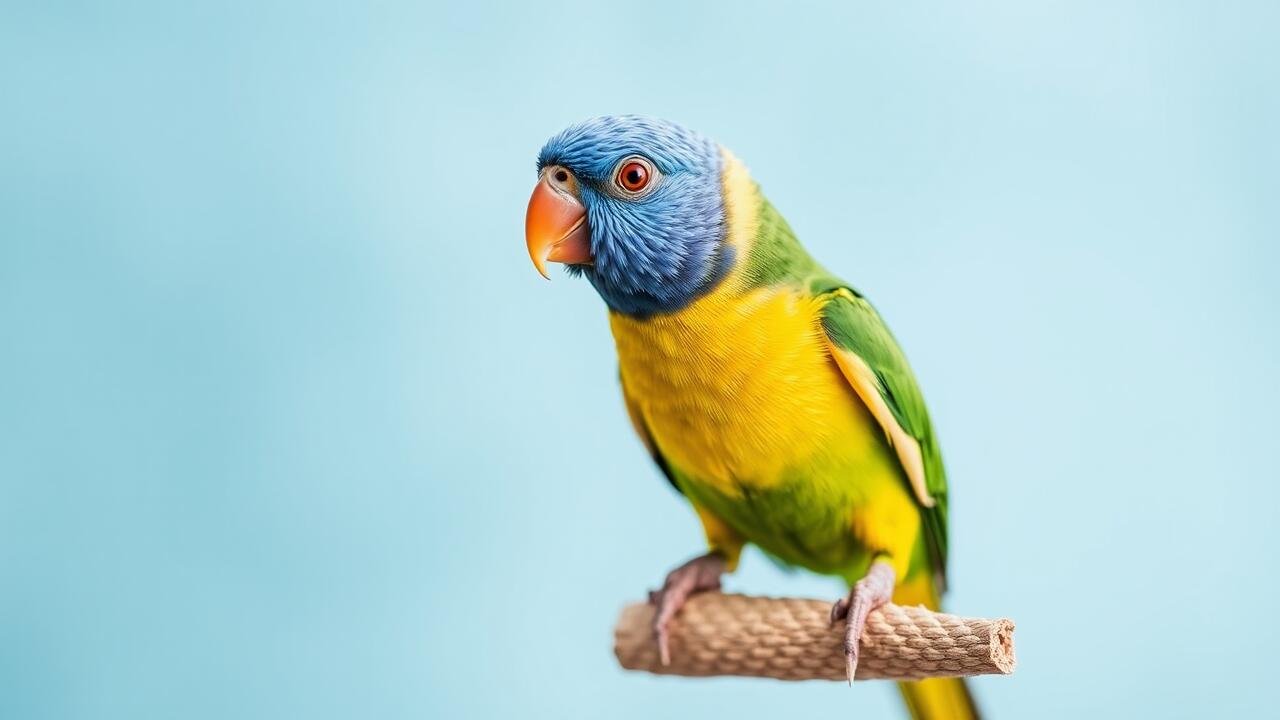
Recognizing Stress and Anxiety in Pet Birds
Stress and anxiety in pet birds can manifest in various behaviors that pet parents should be vigilant about. Changes in routine, such as a new pet in the home or alterations to the living environment, can lead to a distressed bird. Signs of stress may include excessive screaming, feather plucking, or attempts at escaping their bird enclosure. Young birds and small birds can be especially sensitive to their surroundings, making it essential for caregivers to create a calm and structured environment. The Ultimate Guide to Caring for Your Pet Bird: Health, Diet, and Enrichment highlights the importance of understanding these signs to maintain a healthy and happy pet.
Creating a balanced feeding routine is also crucial for reducing stress in birds kept indoors. A nutritious diet combined with a stimulating environment helps alleviate feelings of anxiety, particularly for birds that may be accustomed to wild birds around them. Providing enrichment activities can distract them from stressors, helping them adapt better to their pet indoor lifestyle. Observing your pet’s behavior closely and recognizing changes can enable pet parents to intervene early, ensuring their beloved feathered companions thrive.
Developing a Routine for a Happy Bird
Establishing a consistent routine is essential for the well-being of your indoor bird. Many birds, including parrots, thrive on predictability, helping them feel secure and reducing stress. First-time bird parents can benefit from The Ultimate Guide to Caring for Your Pet Bird: Health, Diet, and Enrichment by understanding how daily habits impact their feathered friends. A routine allows owners to cater to their bird’s dietary preferences and needs while ensuring they receive ample social interaction and mental stimulation throughout the day.
Routines should incorporate playtime, feeding schedules, and bonding moments that strengthen parrot bonds. Regularly engaging with your pet in a structured manner nurtures their emotional health. Whether from pet shops or breeders, ensuring that your bird has a reliable routine can lead to better overall health. Consulting a veterinary professional can also provide guidance tailored to your bird’s specific needs, reinforcing the principles covered in The Ultimate Guide to Caring for Your Pet Bird: Health, Diet, and Enrichment.
Regular Veterinary Care
Routine veterinary care is essential for maintaining the health of your avian companions. The Ultimate Guide to Caring for Your Pet Bird: Health, Diet, and Enrichment emphasizes the importance of regular check-ups with an avian-specific veterinarian. During these visits, signs of stress or illness can be identified through observation of bird body language. Issues such as bird mites can be addressed before they lead to serious concerns. For first bird owners, understanding these health indicators becomes critical in nurturing a comfortable habitat. Messy birds require specialized care, and providing foraging toys can keep intelligent animals engaged while promoting natural behaviors. By focusing on their well-being and monitoring their birdy bellies, you ensure a happy and thriving environment for your feathered friend.
- Regular check-ups help detect potential health issues early.
- Avian veterinarians can provide tailored advice for specific bird species.
- Observing body language can prevent stress-related illnesses.
- Foraging toys encourage mental stimulation and reduce boredom.
- Maintaining a clean environment is crucial for preventing parasites.
- Regular weight checks help monitor overall health and condition.
- Vaccinations and preventative treatments should not be overlooked.
Importance of Routine Check-Ups
Routine veterinary check-ups are essential for maintaining the wellness of your avian companion. These visits allow for early detection of health issues that can arise, especially in soft-billed birds and those with selective eating habits. Regular assessments help to ensure that any changes in behavior, diet, or general health are promptly addressed, minimizing the risk of expensive vet visits down the line. The Ultimate Guide to Caring for Your Pet Bird: Health, Diet, and Enrichment emphasizes the importance of understanding the specific needs of both new birds and multiple birds within a household.
Veterinary professionals are equipped to provide insights on suitable diets tailored to the unique needs of different species, which is particularly crucial given the complex dietary requirements of intelligent animals like birds. The Ultimate Guide to Caring for Your Pet Bird: Health, Diet, and Enrichment includes a diet page that outlines nutritional essentials. By establishing a routine that incorporates regular check-ups, you can help ensure a happy and healthy life for your pet bird, paving the way for a fruitful relationship with your feathered friend.
Vaccinations and Preventative Care for Pet Birds
Routine veterinary care is essential for maintaining the health of your pet bird. Collaborating with a veterinarian who specializes in avian care ensures that your feathered friend receives appropriate vaccinations based on their species and lifestyle. Animal welfare groups emphasize the importance of preventative measures, as they help to mitigate the risk of diseases that can seriously affect your bird. Alongside an ideal diet, regular health check-ups form the cornerstone of the Ultimate Guide to Caring for Your Pet Bird: Health, Diet, and Enrichment.
Preventative care goes beyond vaccinations; it also includes regular screenings for common avian illnesses. Keeping an eye out for changes in behavior or signs of distress can alert you to potential health issues. The Ultimate Guide to Caring for Your Pet Bird: Health, Diet, and Enrichment highlights the need for consistent monitoring and timely veterinary interventions. By investing in these preventative measures, you significantly enhance your bird’s quality of life, contributing to overall wellbeing and longevity.
Conclusion
Caring for your pet bird involves a comprehensive understanding of their health, diet, and enrichment needs as outlined in The Ultimate Guide to Caring for Your Pet Bird: Health, Diet, and Enrichment. From recognizing signs of stress in pigeons to ensuring that finches have a balanced diet, the insights provided help bird owners create a nurturing environment. Regular visits to an animal hospital ensure that your feathered friends receive proper health care, including vaccinations and check-ups from experienced vets. Attention to food intake is crucial, especially for birds with picky eating habits. Providing a variety of healthy foods caters to the unique dietary requirements of different species, much like tending to the needs of dogs. With a focus on these essential aspects of bird care, pet owners can foster a thriving, happy companion.
Be sure to check out The Complete Guide to Wild and Pet Bird Care: Tips, Products, and Resources
FAQS
What are the signs of a healthy pet bird?
A healthy pet bird typically exhibits bright eyes, clean feathers, active behavior, a clear and strong voice, and a good appetite. Regular monitoring of your bird’s droppings can also provide insights into their health.
How often should I take my pet bird for a veterinary check-up?
It is recommended to take your pet bird for a veterinary check-up at least once a year. However, if your bird shows any signs of illness or behavioral changes, you should consult a veterinarian immediately.
What should I feed my pet bird to ensure a balanced diet?
A balanced diet for pet birds usually includes a variety of seeds, pellets, fresh fruits, and vegetables. It’s important to research the specific nutritional requirements for your bird’s species to ensure they receive all necessary nutrients.
Can I give my bird human food?
Some human foods are safe for birds, such as certain fruits and vegetables. However, many human foods can be toxic to birds. Always research which foods are safe and avoid giving them anything that is high in salt, sugar, or fat.
What types of enrichment activities can I provide for my pet bird?
Enrichment activities can include providing toys for chewing, climbing structures, foraging opportunities, and social interaction. Regularly changing toys and introducing new activities can keep your bird mentally stimulated and engaged.
What are the essential nutrients that birds need to thrive as pets, and how can one ensure their wellness through proper bird care?
To keep your pet birds healthy, it’s crucial to provide them with essential nutrients that support their well-being. High-quality bird foods rich in vitamins and minerals should be the foundation of their diet. Additionally, proper housing for pet birds, like spacious bird cages, is important for their comfort and safety. Bird lovers should also consider factors like bird enrichment, including toys and social interaction, to ensure a nurturing habitat. Remember that pet birds have unique needs that must be met for them to feel happy and secure as wonderful pets.
How can pet owners ensure the wellness of their pet birds and meet their essential nutrients needs?
To ensure the wellness of your pet birds, it’s important to focus on high-quality bird care that includes providing essential nutrients, a proper diet, and suitable housing for your pet birds. Birds need time for social interaction and enrichment to stay happy and healthy. Offer a variety of foods that cater to avian nutrition, such as seeds, fruits, and vegetables, and invest in appropriate bird cages that allow for movement. Remember that choosing popular pets like birds comes with responsibilities, and providing premium bird subscriptions can also keep your companion animals content.
How can one create an appropriate habitat for pet birds to ensure they feel secure and meet their needs?
To create a suitable habitat for pets birds, it is essential to provide high quality bird cages that allow for plenty of space and enrichment activities. The wellness bird care involves ensuring that pets birds have their pet needs met through proper housing, which includes safe perches, toys, and places to hide. Additionally, consider the bird’s personality; laid-back birds may prefer a quieter environment, while more active types might need space to roam and play. It’s important to regularly assess if the pet bird feels secure and happy indoors, so providing a stimulating environment is crucial for their overall wellness.
What are some effective strategies for providing an enriching environment for indoor pet birds when they are not housed outside with wildlife?
To ensure that your pet birds thrive as popular pets indoors, it’s essential to create an engaging and stimulating habitat. This includes providing various toys to play with, opportunities to explore, and a well-structured daily routine that allows your birds plenty of time out of their pet bird cages. Remember to include essential nutrients in their diets, such as fruits, vegetables, and seeds, to keep them healthy and satisfied. Additionally, ensure the housing pet birds is secure to prevent any bird escaping while giving them time to socialize and interact, enhancing their overall well-being as intelligent animals.
How can pet owners provide the right essential nutrients for their pet birds to thrive indoors rather than outside with wildlife?
Providing essential nutrients for pet birds, especially when they are kept indoors, is crucial for their overall health and wellness. Commonly, pet owners should focus on offering a variety of foods that cater to their nutritional needs. This includes high-quality pellets, seeds, fruits, and vegetables. It’s also important to recognize that pet birds are intelligent animals that require plenty of mental stimulation and enrichment to prevent boredom. Ensuring that their habitat is appropriate and that they have access to safe items to interact with will make a significant difference in their well-being. A bird that stays engaged and feels secure indoors is less likely to exhibit stress. Ultimately, by sharing appropriate care routines and understanding their unique needs, you can help your pet birds thrive at home.
What are some tips for keeping pet birds healthy and happy when they are kept indoors rather than outside with wildlife?
To keep pet birds healthy and happy, it’s important to provide them with suitable environments that meet their needs. This includes an appropriate habitat where the birds feel secure, a varied diet that consists of essential nutrients, and interactive toys to stimulate their intelligence. Since birds are intelligent animals, they require plenty of enrichment activities to prevent boredom. Furthermore, owners should ensure that their pet birds have time outside of their cages for exercise and social interaction. Regularly engaging with pet birds can also help them feel loved and secure in their environment, which is crucial for their well-being.
How can pet owners ensure their pet birds remain feeling secure and happy indoors, particularly when they are not in the company of wildlife?
To keep your pet birds feeling secure and happy indoors, it’s essential to create an engaging environment that caters to their needs. Incorporate appropriate toys and activities that stimulate their intelligence, as birds, especially popular pets like parrots, require plenty of mental and physical enrichment. Ensure they receive a variety of essential nutrients through a balanced diet of high-quality foods optimized for pet birds, which can include seeds, pellets, and fresh fruits and vegetables. By spending time with your pet birds and sharing experiences, you create a bond that reinforces their comfort, helping them thrive indoors where they can live in a safe space away from wildlife.
What should pet owners do to ensure that their pet birds are receiving the appropriate foods for their health, especially when kept indoors?
To keep pet birds healthy and feeling secure indoors, owners should focus on providing a balanced diet that includes essential nutrients specific to birds. This means integrating various foods birds enjoy, including seeds, fruits, and pellets. Additionally, ensure that the birds get plenty of time outside their cages to exercise and interact, as pet birds are intelligent animals that thrive on stimulation. When considering cheap pets, remember that even with budget-friendly options, birds still need proper care to stay healthy and happy indoors.
What are some benefits of keeping pet birds indoors versus outside, and how can owners ensure their pet birds receive essential nutrients in this environment?
Keeping pet birds indoors offers various benefits, such as protection from predators and extreme weather, which can help ensure they remain healthy. To ensure that pet birds receive essential nutrients, owners should provide a balanced diet that includes seeds, fresh fruits, and vegetables, as well as appropriate bird mite prevention measures. It’s crucial to take time to understand birds’ needs and provide enrichment and social interaction so that they stay happy and engaged while indoors. Pet birds, being intelligent animals, require mental stimulation, so activities that allow them to explore and play are important to keep them feeling fulfilled.
How can pet owners ensure that their pet birds, like parrots, receive the essential nutrients they need to thrive when living indoors?
To ensure that pet birds, including popular pets like parrots, receive the essential nutrients they need, owners should provide a balanced diet consisting of seeds, pellets, fruits, and vegetables. It’s important to monitor what the bird thinks about their food choices and make adjustments so the bird stays interested and receives a variety of nutrients. Regularly allowing the bird plenty of time outside of their cage to explore their environment can also enhance their health. Also, social interactions and mental stimulation help prevent boredom, making the indoor life more fulfilling for pet birds.
Related Links
What is the best diet for pet birds?
How to keep your pet bird healthy?
How to take care of a pet bird for beginners?
What is good enrichment for birds?
